


India offers several advantages for international patients seeking specialized healthcare. The combination of medical expertise, modern facilities, competitive costs, and patient support makes the country an established destination for medical value travel. Here are eight important benefits worth considering.
1. Affordable Healthcare Services
Healthcare costs can vary significantly between countries. For many international patients, India offers access to specialized medical services at comparatively lower costs than several developed countries. This can make expensive procedures more accessible without requiring patients to compromise on their choice of medical facility.
The cost advantages extend to specialist consultations, diagnostic tests, surgeries, and hospital stays. Patients can also explore different hospitals and treatment options based on their medical needs and budget. However, actual expenses depend on the complexity of the condition, the recommended procedure, the hospital, and the length of stay. Requesting a detailed cost estimate before traveling helps avoid unexpected expenses.
2. Access to Experienced Medical Professionals
The expertise of medical professionals is an important consideration when choosing a healthcare destination. India has a large pool of qualified doctors and specialists across various medical disciplines. Many have extensive experience in managing complex conditions and performing specialized procedures.
Patients can access specialists in cardiology, oncology, neurology, orthopaedics, gastroenterology, and other fields. Hospitals may also bring together surgeons, physicians, anaesthesiologists, nurses, and rehabilitation professionals to coordinate different aspects of care. This multidisciplinary approach helps address complex medical needs through informed clinical collaboration.
Alescia helps international patients connect with experienced medical professionals at suitable hospitals across India. Explore our network of hospitals in India to learn more about available healthcare facilities and specialist expertise.
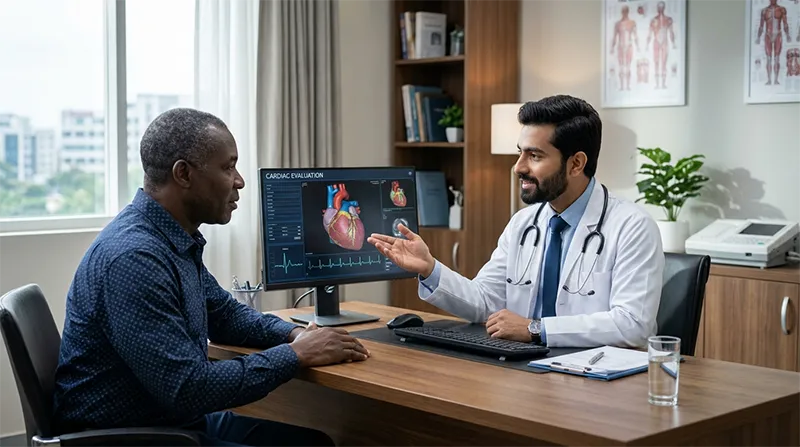
3. Advanced Healthcare Infrastructure
Modern medical infrastructure plays an important role in diagnosis, treatment, and patient safety. Many hospitals in India have invested in advanced diagnostic equipment, specialized operating rooms, intensive care units, and modern patient facilities.
Depending on the hospital and speciality, patients may have access to robotic-assisted surgery, image-guided procedures, advanced imaging systems, and minimally invasive surgical techniques. These technologies can support greater precision and help reduce surgical trauma in suitable cases.
Hospital accreditation is another factor worth considering. The National Accreditation Board for Hospitals and Healthcare Providers (NABH) sets standards for healthcare quality and patient safety. Some Indian hospitals also hold Joint Commission International (JCI) accreditation. Patients should verify the accreditation status of the specific hospital they are considering.
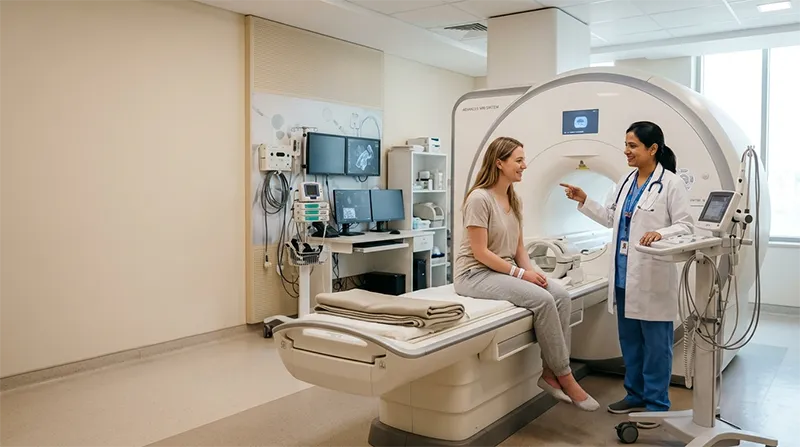
4. Wide Range of Medical Specialities
Another advantage is the availability of healthcare services across a broad range of medical specialities. International patients can explore specialized care for both common and complex health conditions.
Some of the major specialities include:
- Cardiac and Vascular Care: Heart surgery, angioplasty, valve replacement, and vascular procedures.
- Oncology: Cancer diagnosis, chemotherapy, radiation therapy, and surgical oncology.
- Orthopaedics: Joint replacement, spine surgery, and treatment for musculoskeletal conditions.
- Neurosciences: Brain and spine surgery, neurological evaluations, and specialized interventions.
- Gastroenterology: Digestive disorders, liver conditions, and hepatobiliary procedures.
- Urology and Renal Care: Kidney stone treatment, prostate care, and kidney-related procedures.
- Organ Transplantation: Kidney and liver transplantation for eligible patients.
This range allows patients to explore different specialities within India’s healthcare system.
If you are considering treatment options in India, Alescia can help you explore a wide range of medical treatments across multiple specialties. Discover our list of treatments to learn more about the healthcare services available for international patients.
5. Shorter Waiting Periods
Long waiting periods can delay access to specialist consultations and planned medical procedures in some countries. India may offer international patients more flexibility in scheduling consultations, diagnostic evaluations, and certain elective procedures.
Hospitals and medical coordinators can help arrange appointments and organise the different stages of care. This can make it easier to plan travel around a proposed treatment schedule.
However, waiting times vary by hospital, specialist availability, medical urgency, and procedure. Patients should confirm appointment dates and treatment timelines before making travel arrangements. Urgent medical conditions also require prompt clinical assessment rather than decisions based solely on travel convenience.
6. Personalized Healthcare Experience
Every patient has different medical needs, treatment preferences, and health considerations. A personalized approach helps ensure that these factors are considered when planning care.
Doctors assess medical history, diagnostic reports, current symptoms, and previous treatments before recommending an appropriate course of action. Patients may also receive consultations involving multiple specialists when their conditions require broader clinical input.
Hospitals can coordinate consultations, investigations, treatment schedules, and recovery plans around individual requirements. Clear communication with the medical team also helps patients understand their options and participate in decisions about their care.
7. Dedicated Support for International Patients
Traveling abroad for healthcare involves more than arranging hospital appointments. International patients may need assistance with language differences, travel documentation, accommodation, transportation, and communication with healthcare providers.
Many hospitals and medical tourism facilitators offer dedicated international patient services. These may include appointment scheduling, medical record coordination, airport transfers, interpreter assistance, and hospital admission support.
Such services can make the experience more manageable for patients and their families. Having a designated point of contact can also help them address practical concerns during their stay.

8. Continuity of Care and Recovery Support
Medical care does not end when a procedure is completed or a patient is discharged. Recovery, medication management, and follow-up consultations are important parts of the healthcare journey.
Hospitals may provide discharge instructions, medical summaries, prescriptions, and guidance for continued recovery. Patients can also discuss follow-up arrangements with their doctors before returning home. Where appropriate, remote consultations may help maintain communication with the treating team.
Planning these arrangements in advance can help patients understand their recovery requirements and coordinate continued care with healthcare providers in their home country.